Conservation
program
Bats are unique yet misunderstood creatures that are crucial to the ecosystem. The goal of the Toronto Zoo’s Bat Conservation Program is to monitor and research Ontario’s bats to contribute to conservation efforts, in addition to educating people about the importance of these animals and the threats they face.
 Our Conservation Projects
  Meet the Bats of Ontario
  Bats Under Threat
  How to Help Bats
  Learn More About Bats
Current Conservation Projects
Little Brown Myotis Condo
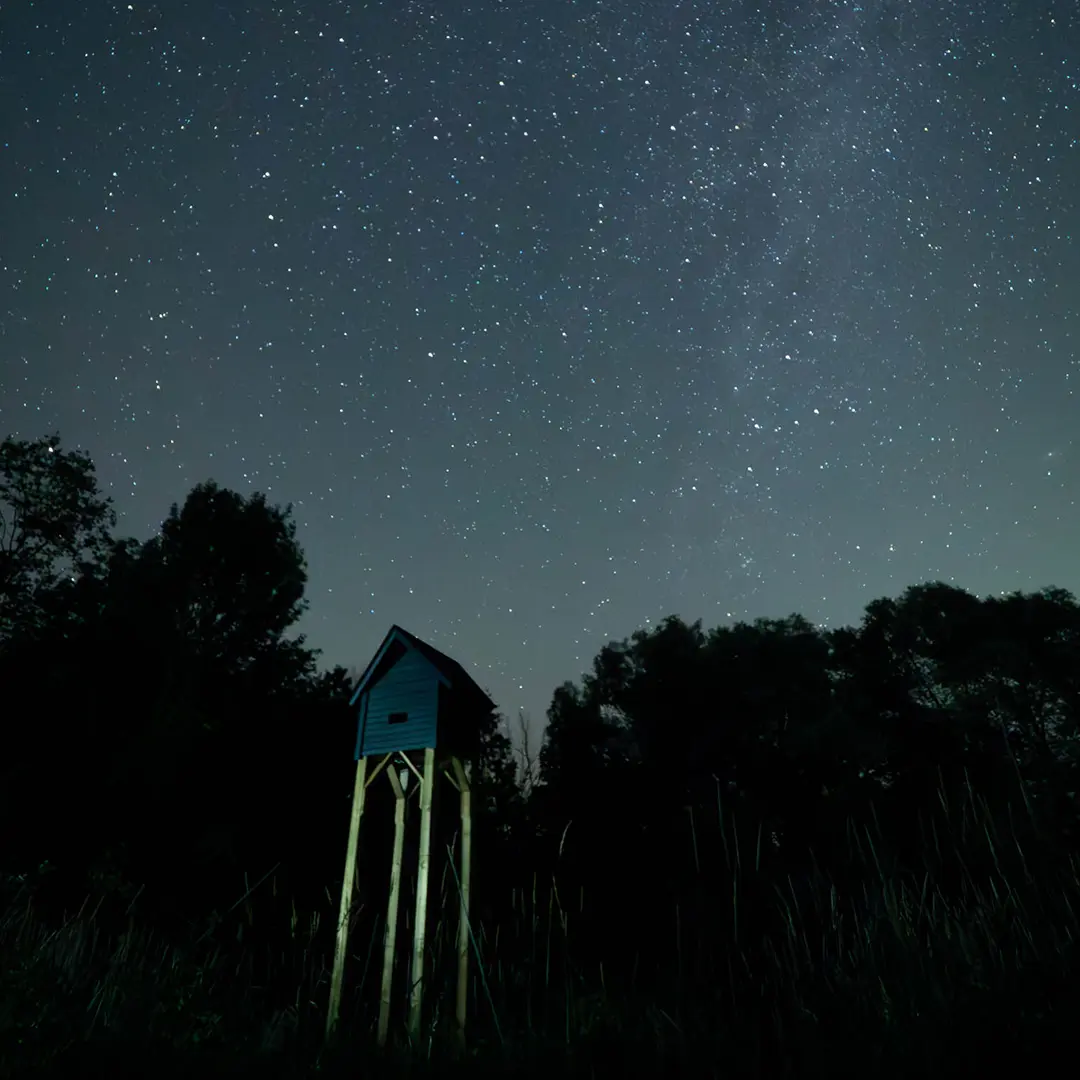
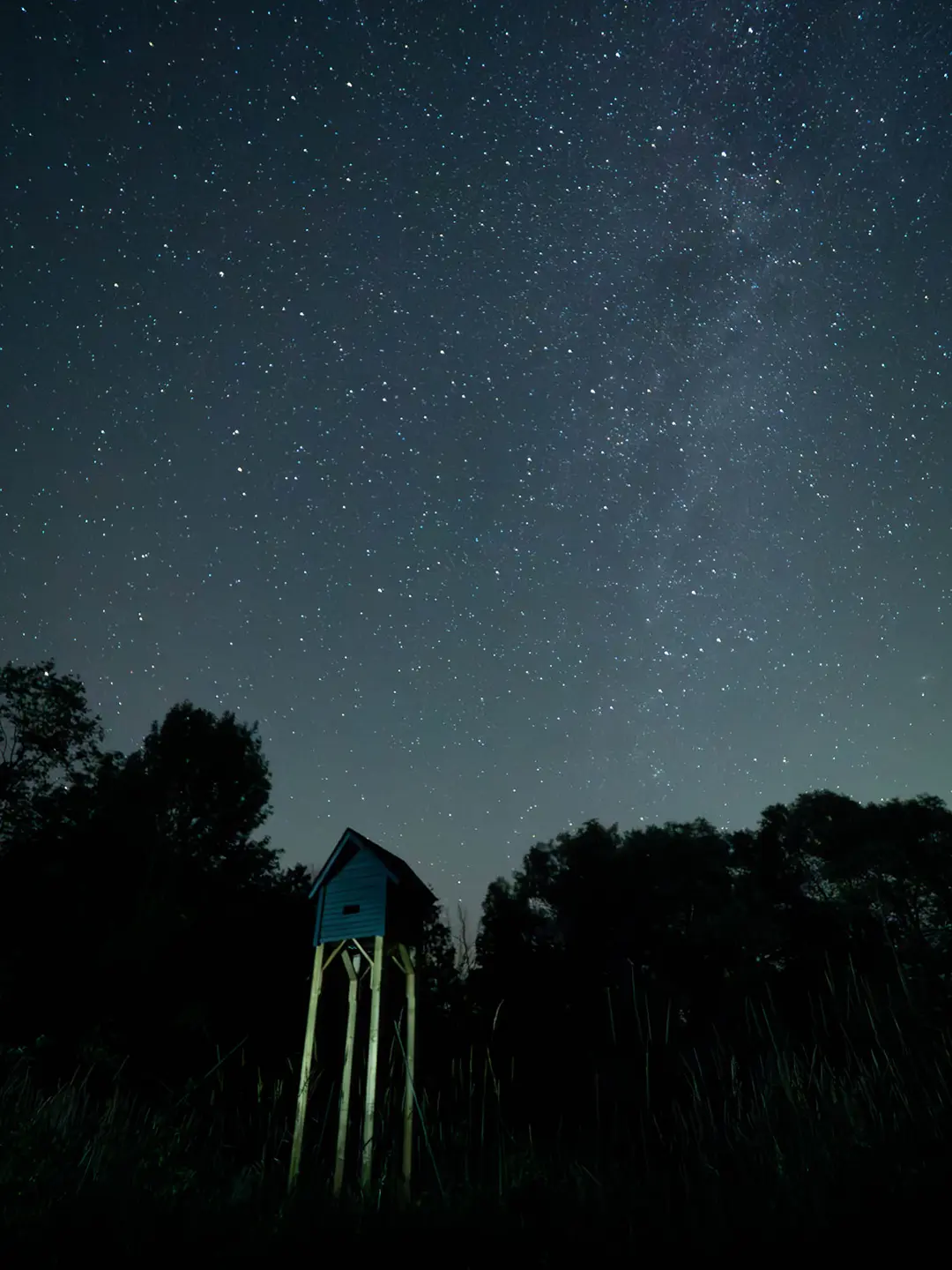
Ontario’s landscape has undergone dramatic changes over time, with natural spaces being increasingly replaced by artificial structures. Amid these shifts, bats have learned to adapt by making their summer homes in barns and other buildings. In 2022, the Maitland Valley Conservation Authority (MVCA), in collaboration with your Toronto Zoo, sought to help a colony of hundreds of little brown myotis bats that inhabited two barns on MVCA property. These barns were aging quickly and needed to be demolished for safety reasons.
To mitigate the loss of these barns, MVCA and the Zoo developed a plan to study how bats respond to losing their established roosts and constructed a “bat condo”—a barn-like structure on stilts—alongside several smaller bat boxes. Surveys were conducted before and after the barns were demolished to track how the bats adjusted to their new accommodations. Today, the Toronto Zoo continues to monitor these bat-friendly structures, gathering valuable insights into how Ontario’s bats are adapting to a changing landscape.

Backyard Bat Acoustic Monitoring Project
Many people live alongside bats and don’t even know it! Starting in 2021, your Toronto Zoo’s bat experts have been leading a Community Science project to help people across Ontario connect with the bat species in their own backyard. For this project, volunteers from conservation organizations and Indigenous communities are trained to use acoustic monitors to record bat echolocation calls. Bats call at ultrasonic frequencies that cannot be heard by human ears, and different species can be distinguished by the frequency of their calls. Bat scientists at your Toronto Zoo can process the data collected by volunteers by running the recorded calls through special software, revealing the species that were likely in the area! This data also provides information on habitat preferences and activity, helping to inform conservation efforts.Since its inception, over 300 community scientists from across Ontario have participated in this project. The collected data is shared with the North American Bat Monitoring Program, a collaborative effort to increase scientists’ knowledge of bat species and changes in populations over time.
Note: Participation in this project is currently by invitation only. For other ways to help bats in your area, visit How to Help Bats.
Bats of Northern Ontario
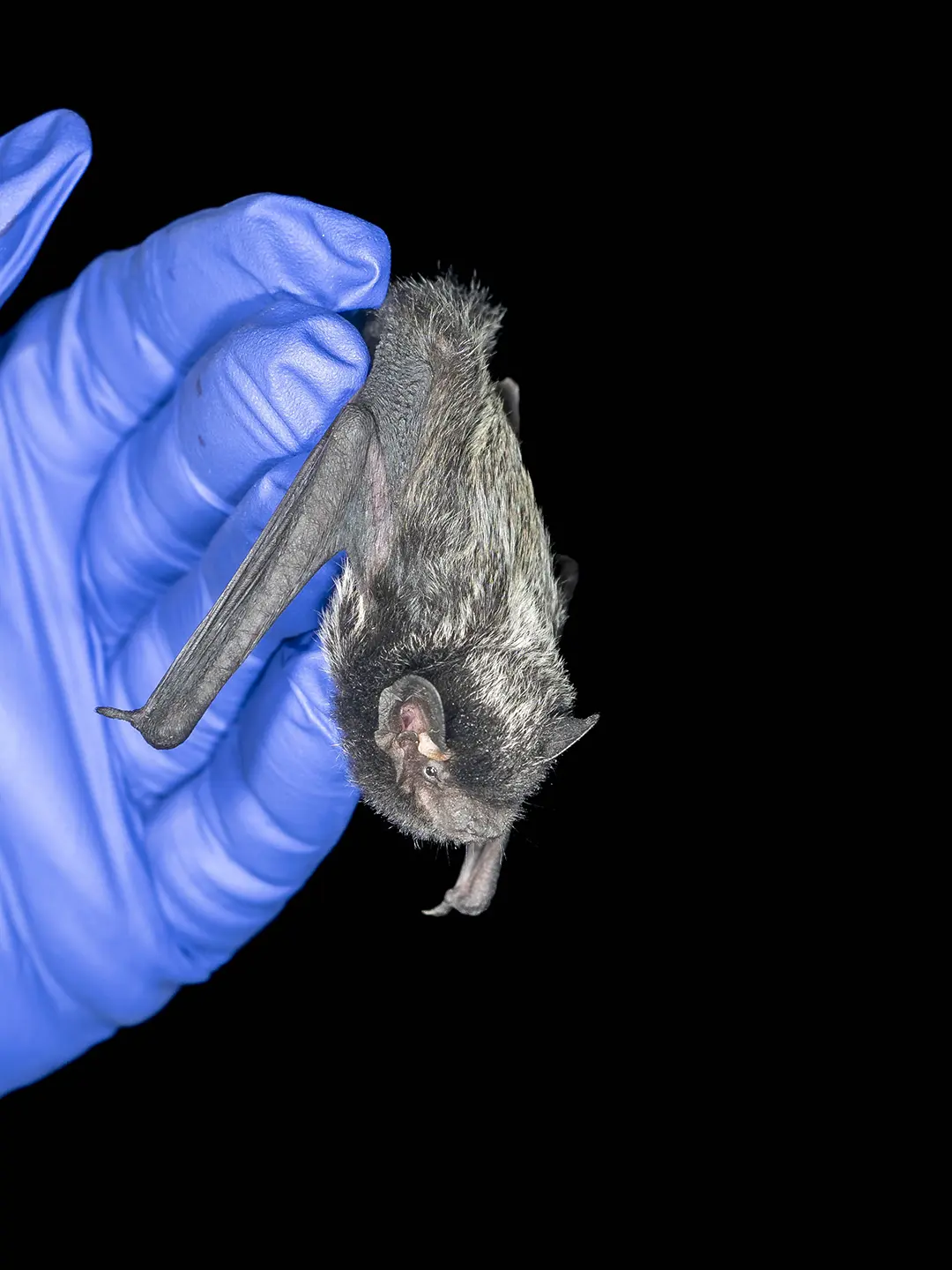
Bats remain one of the most understudied groups of creatures in Ontario, and much of what we know about bats in Ontario comes from southern populations. Since 2020, your Toronto Zoo has teamed up with the Nuclear Waste Management Organization (NWMO) to explore bat presence and habitat use in northern Ontario around the Wabigoon Lake Ojibway Nation and the Township of Ignace area.
To explore the nocturnal realm of bats in northern Ontario, the Zoo deploys acoustic monitors to eavesdrop on the echolocation calls of bats. Trapping bats has also confirmed the presence of five of Ontario’s eight bat species. By filling knowledge gaps and deepening our understanding, we can make informed choices about how to protect critical bat habitats.
Meet the Bats of Ontario
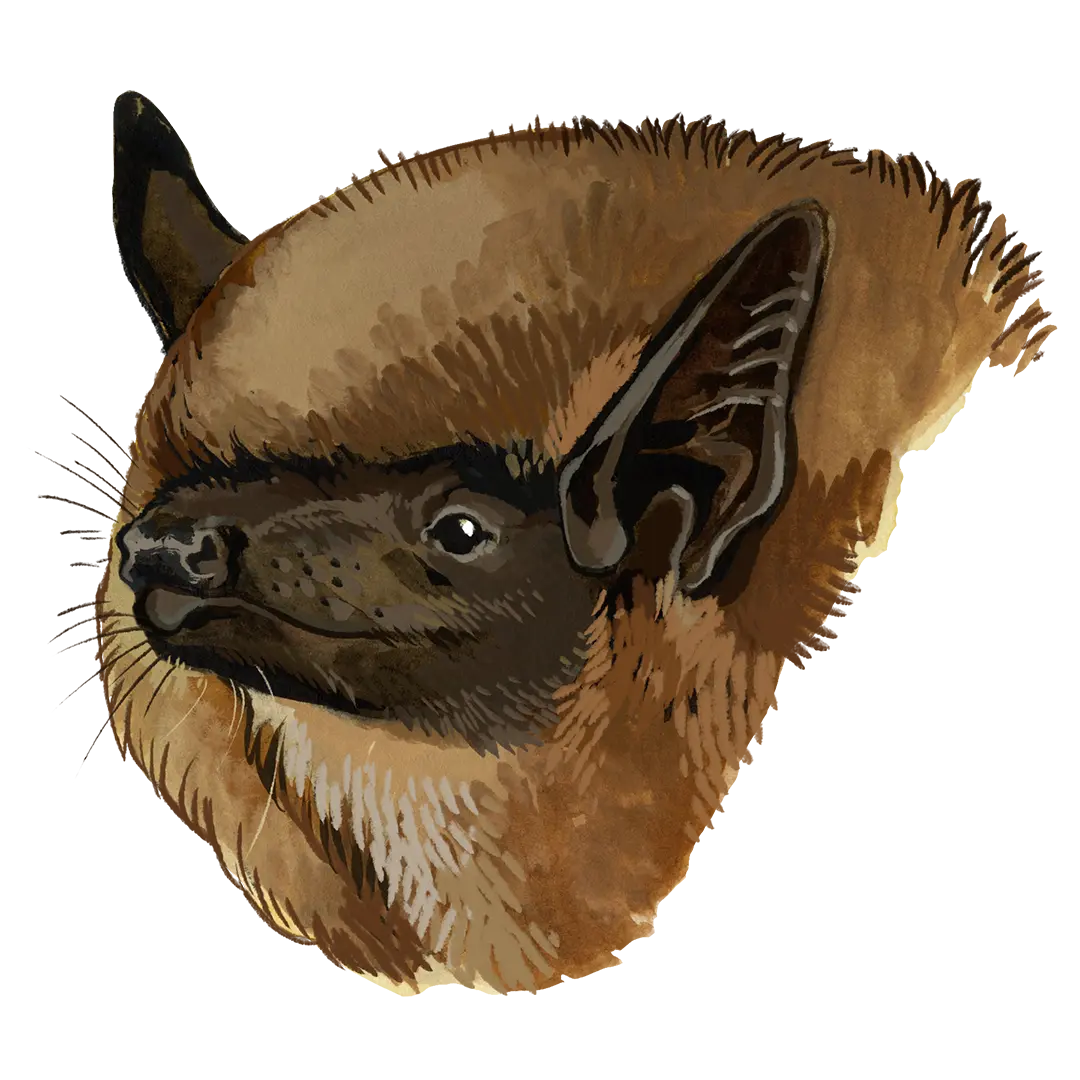
There are eight species of bats native to Ontario.
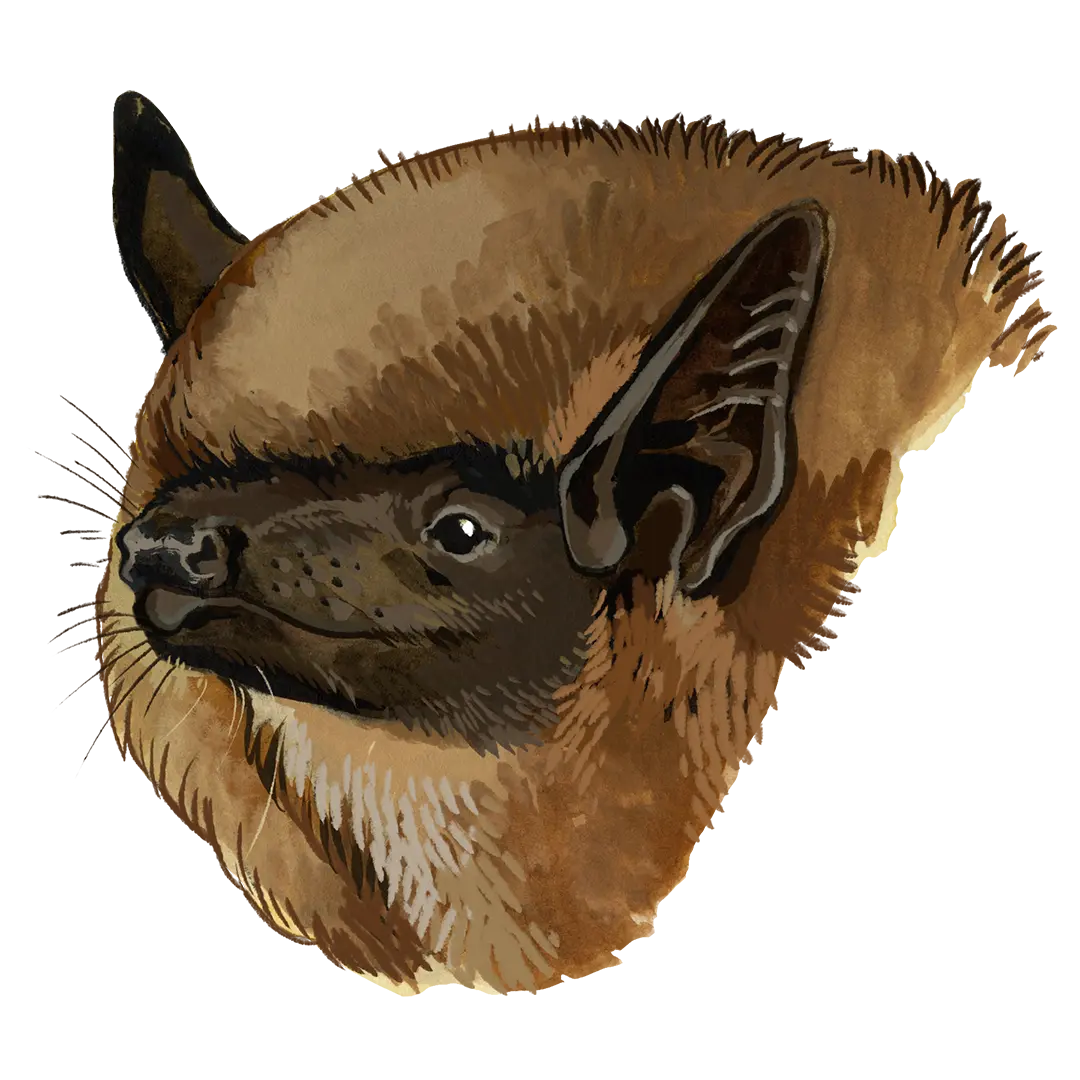
Big brown bat
Ontario’s most common bat species, and our only bat not at-risk in the province. It is highly adaptable to different habitats and is one of two species in Ontario that prefer to roost in man-made structures.
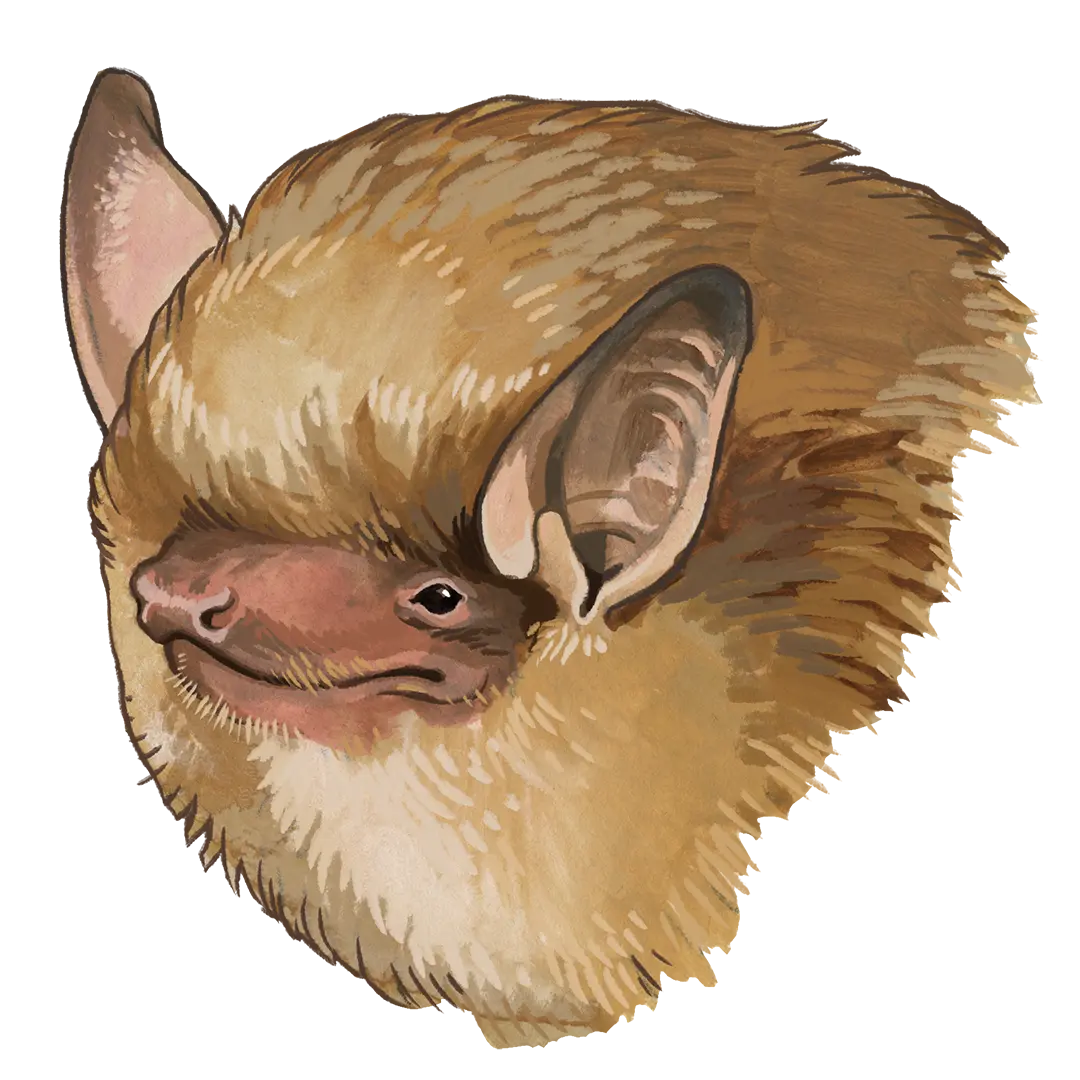
Tricoloured bat
Previously called the eastern pipistrelle, this bat is primarily found in the United States but also in parts of southern Ontario. It is named for the black, yellow, and brown hairs on its back. It is provincially and federally endangered.
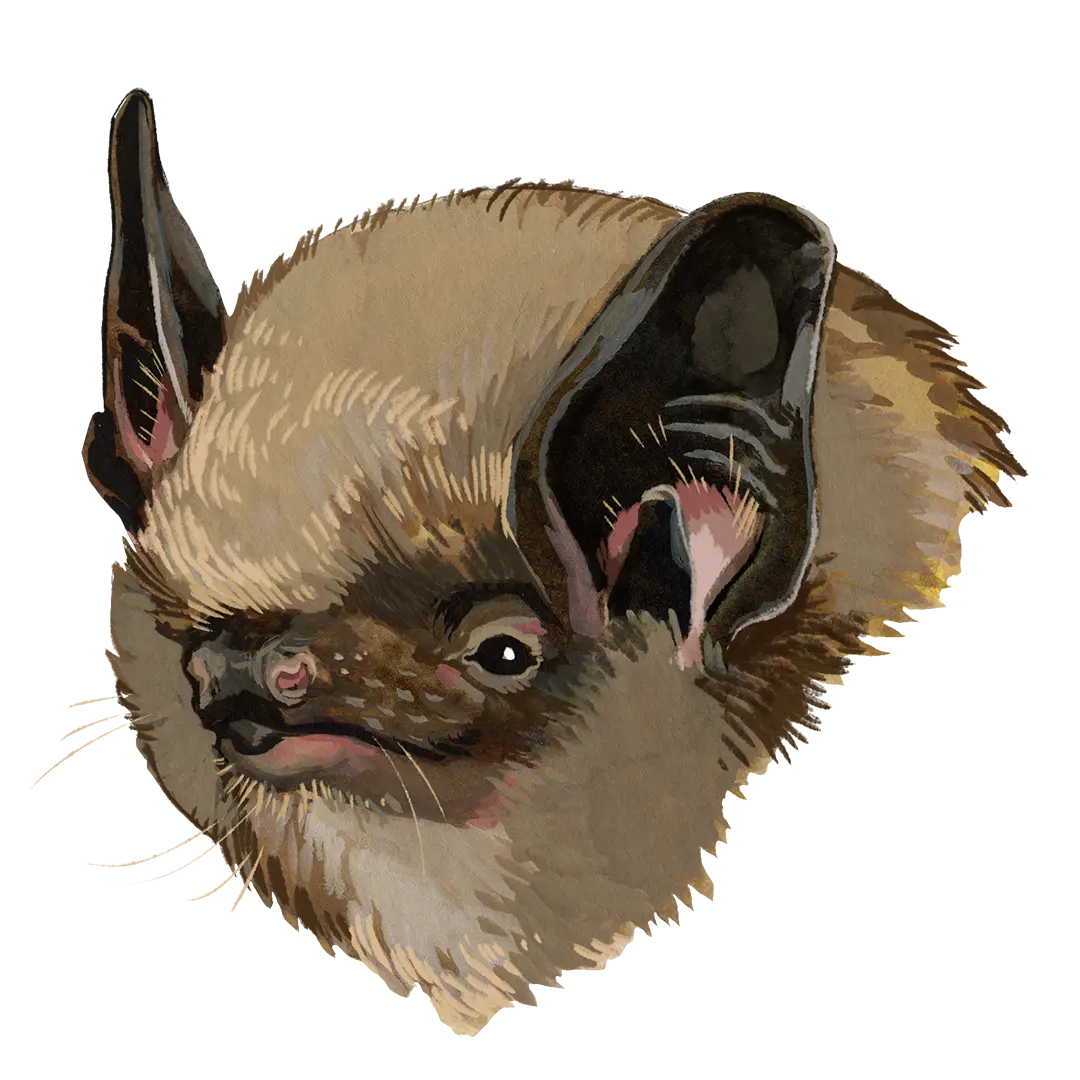
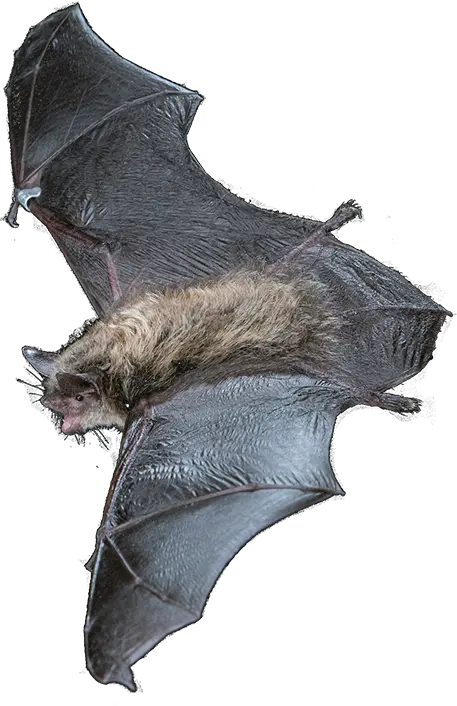
Little brown myotis
This species was previously one of the most common bats in North America. However, some populations have declined by nearly 90% primarily due to white nose syndrome. This species also prefers to roost in human-made structures such as houses and barns. Little brown myotis can vary in size, with some colonies reaching over 500 bats! It is provincially and federally endangered.
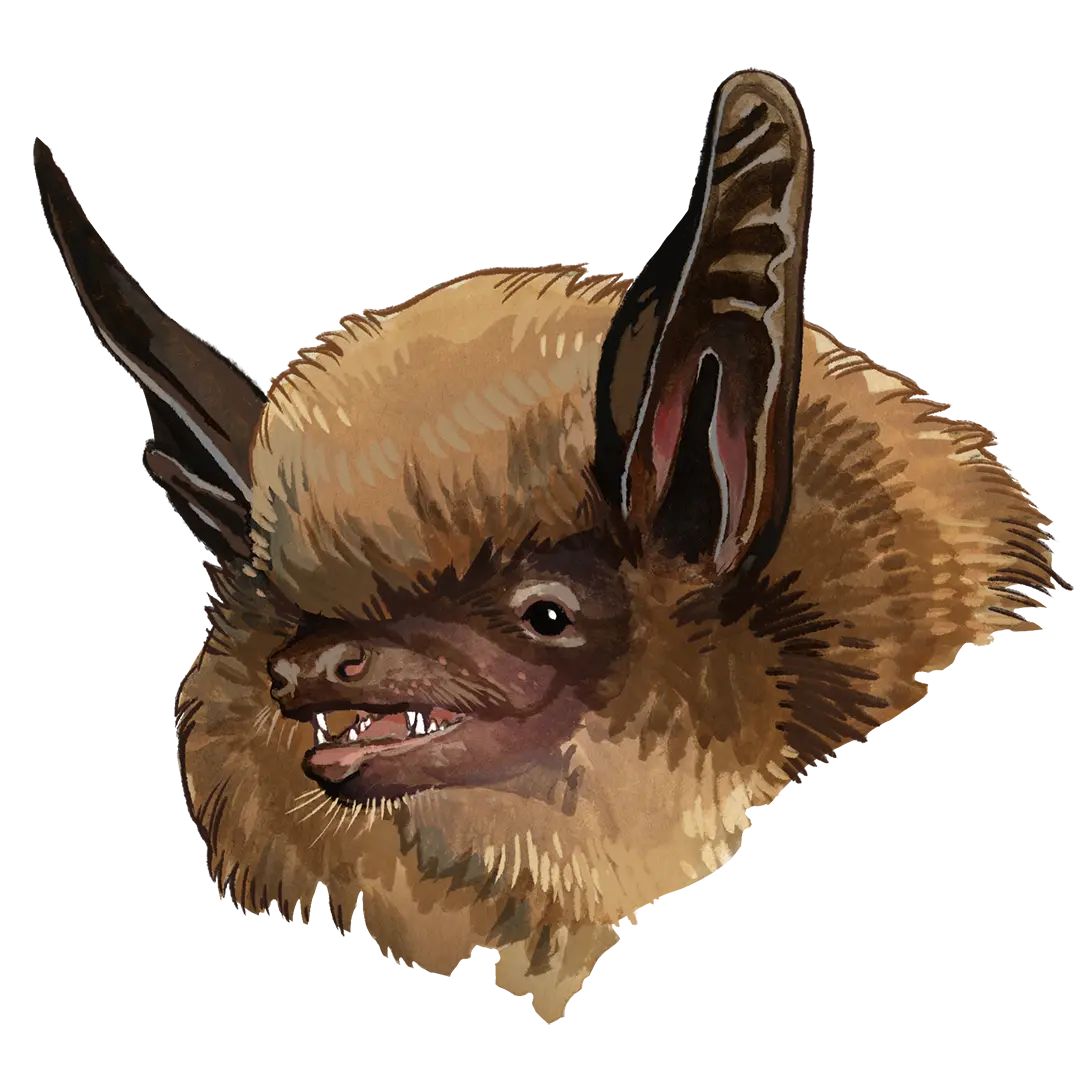
Northern myotis
Previously known as the northern long-eared bat, this bat can be distinguished from other myotis species by its relatively long ears. It is also the only gleaning bat in Ontario, meaning it picks insects off foliage in their forested habitat rather than catching them in flight.
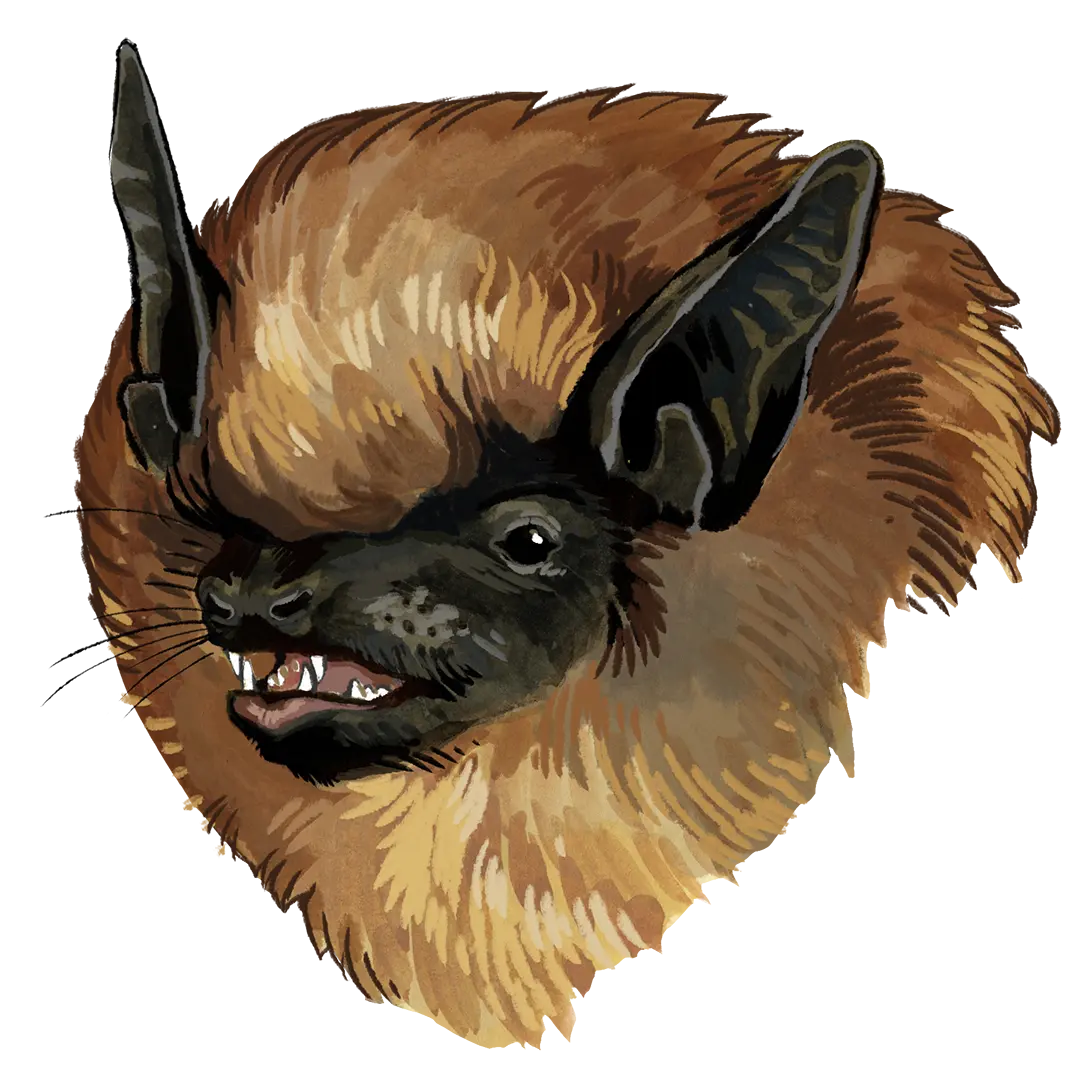
Eastern small-footed myotis
The smallest bat species in Ontario, it weighs around 5 grams or about as much as a nickel. This is one of Ontario’s rarest bats, as the province is the northern limit of its range. This species has been known to roost under rocks at ground level and is skilled at crawling. It is provincially endangered.
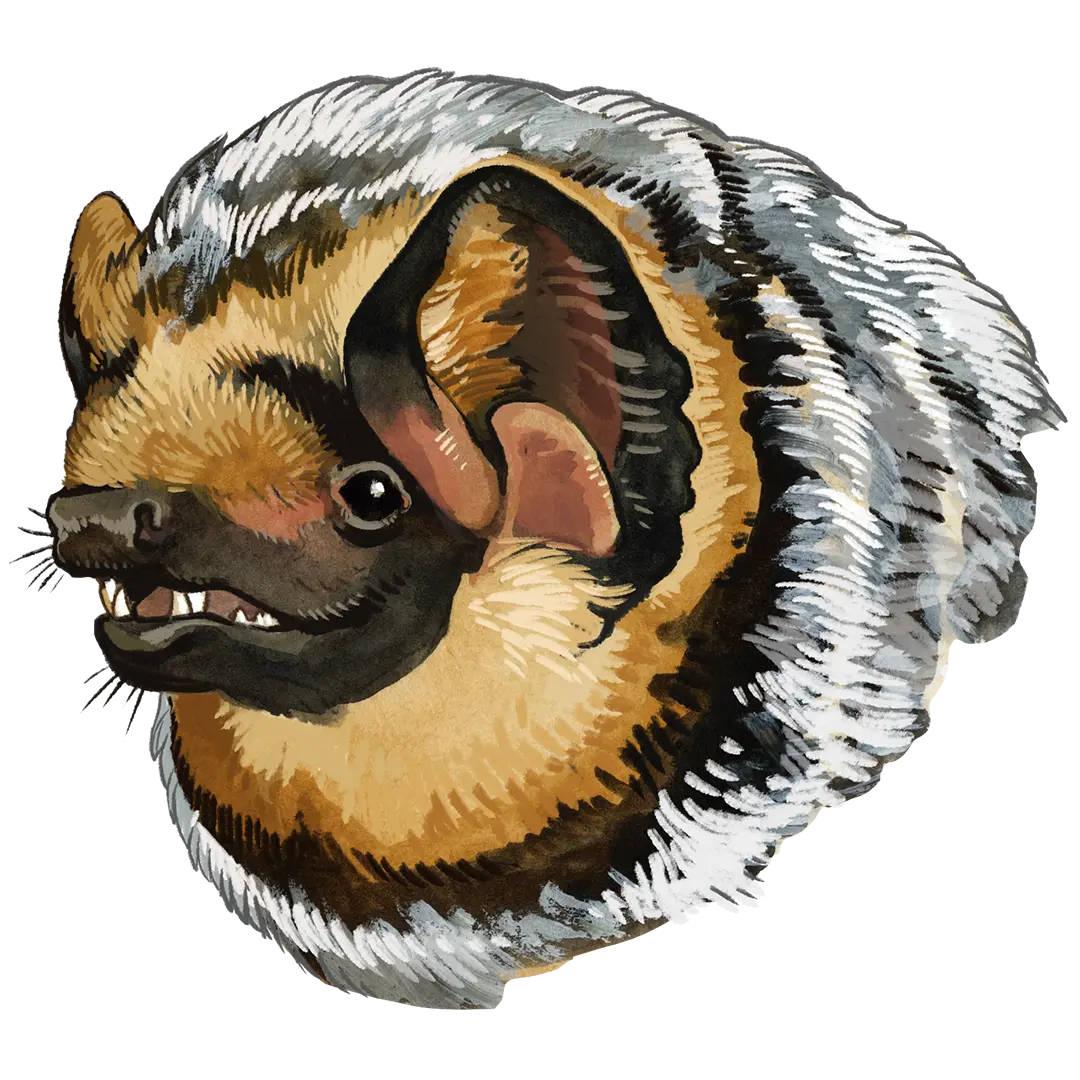
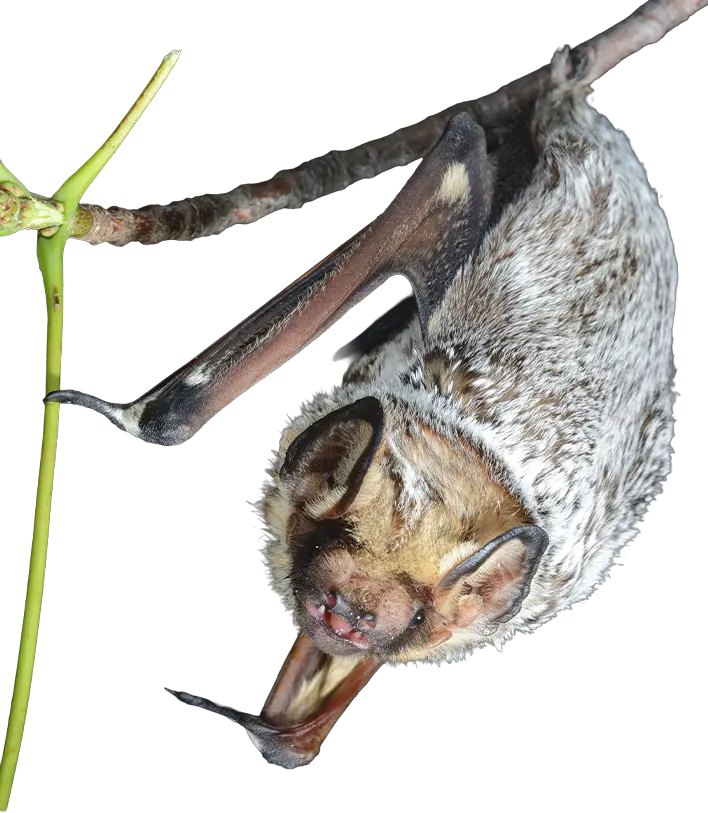
Hoary bat
This is Ontario’s largest bat species, with a wingspan of around 30 cm (about the same length as a standard ruler). It is named for its white-tipped fur, which resembles hoarfrost in the winter. This is one of Ontario's long-distance migratory bats, travelling as far as the southern US during the winter months. It is provincially and federally endangered.
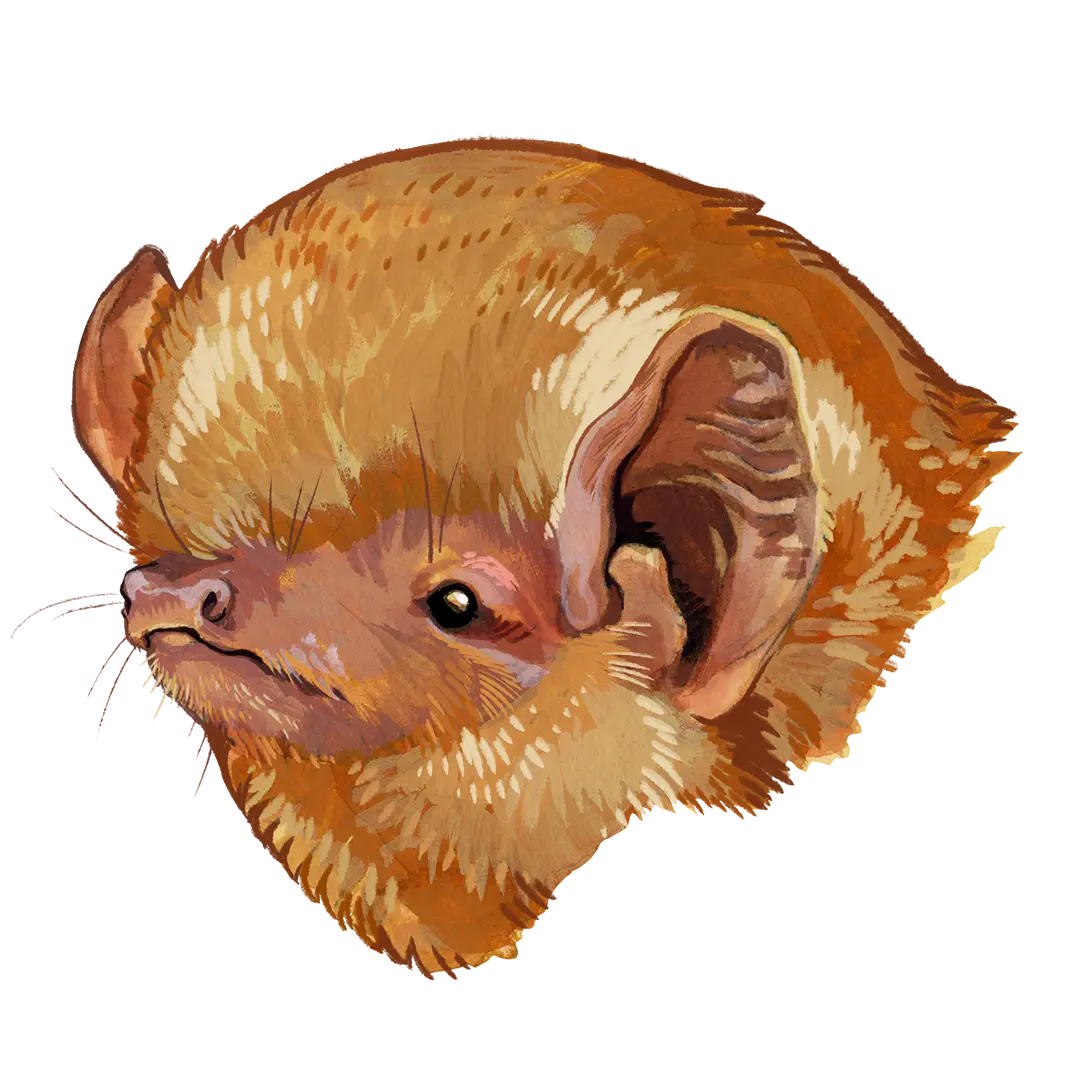
Eastern red bat
This species is named after its red fur, which provides camouflage while roosting amid tree foliage where individuals often look like dead leaves. This is one of Ontario's long-distance migratory bats, travelling as far as the southern US during the winter months. Unlike other species, female eastern red bats regularly give birth to twins and can sometimes have up to five pups. It is provincially and federally endangered.
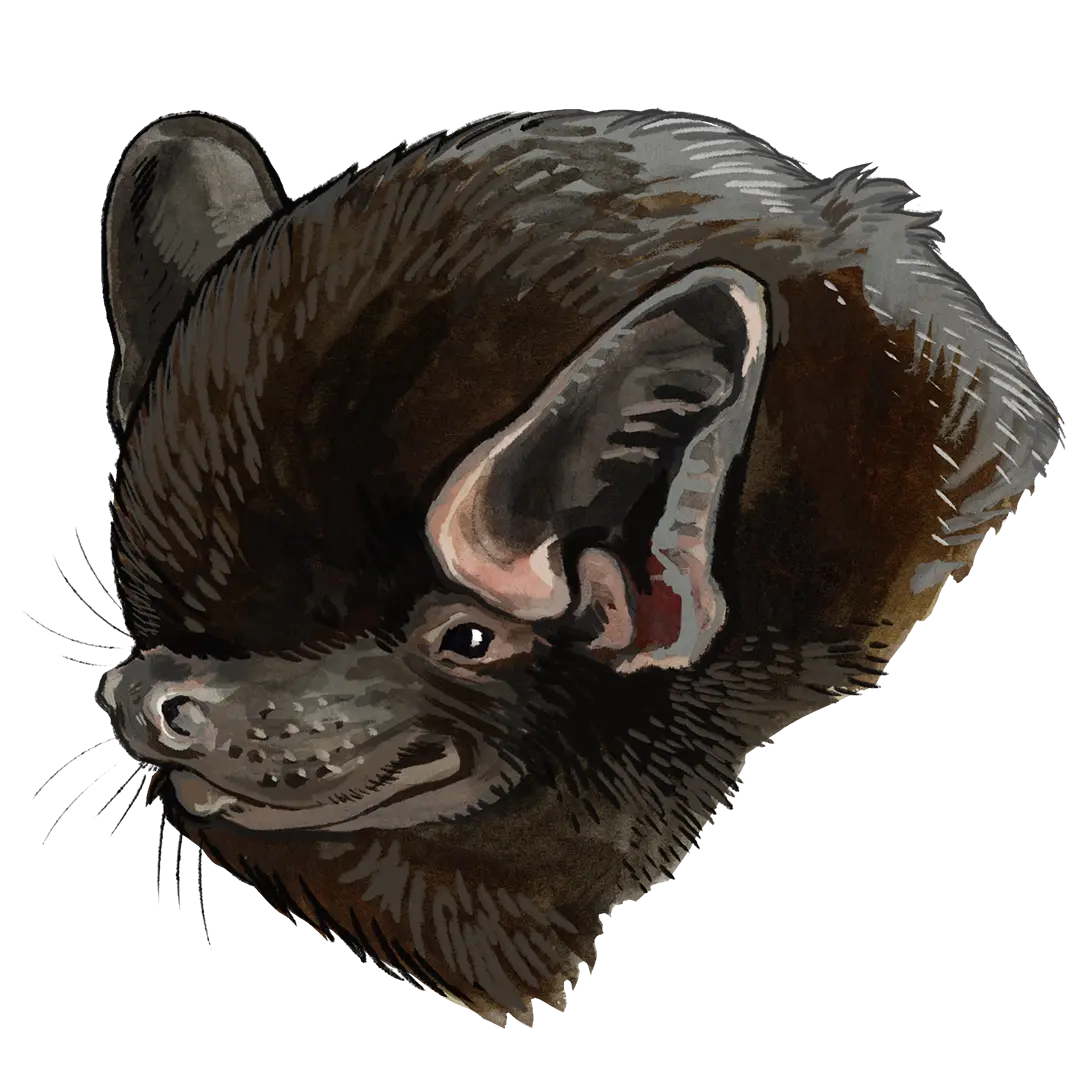
Silver-haired bat
This bat has black fur with silvery tips. Breeding females often roost together. This is one of Ontario's long-distance migratory bats, travelling as far as the southern US during the winter months. It is provincially and federally endangered.
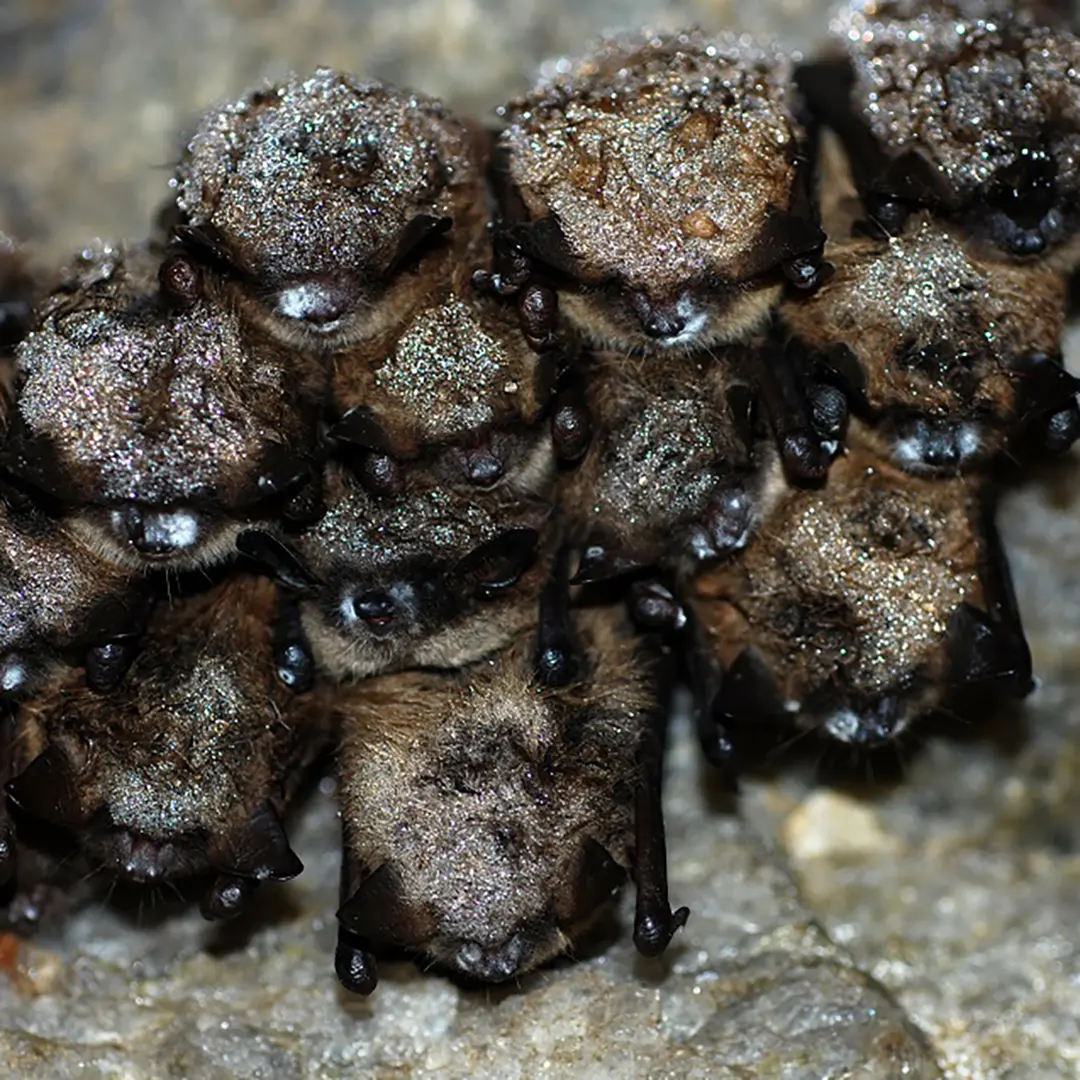
Bats Under Threat
Seven of Ontario’s eight bat species are species-at-risk.
Learn more about the threats they face below.
White nose syndrome
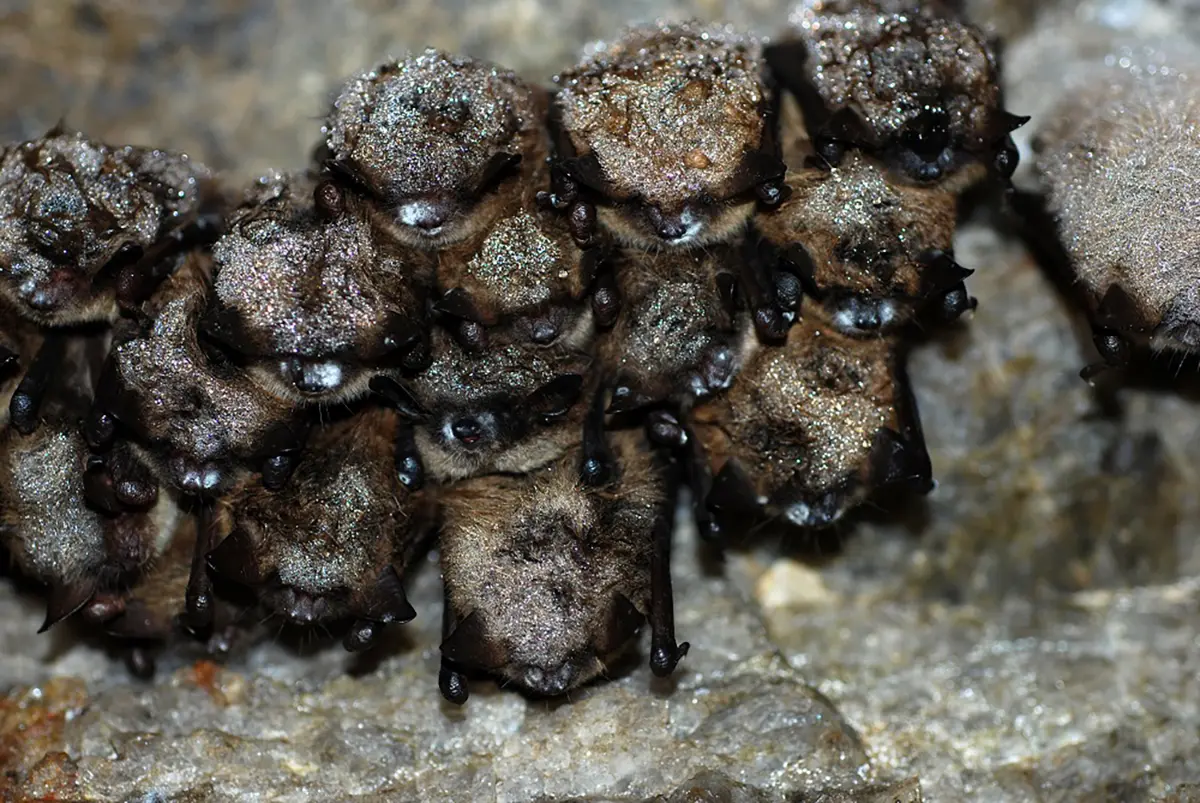
White-nose syndrome (WNS) is caused by a fungus that was accidentally introduced to North America around 2006, likely on the boots of spelunkers. The fungus thrives in caves and infects hibernating bats, growing on their bodies and around their faces. Infected bats wake up more frequently during hibernation, rapidly depleting their energy stores that cannot be replenished due to the lack of food available in the winter. As a result, many bats starve before spring. This disease has contributed significantly to the decline of Ontario’s four cave-hibernating bat species.

Habitat loss
Like all wildlife, bats require places to live and to find food. Deforestation and the demolition of old buildings and barns can reduce the number of roosting sites available to bats. Migratory species also need habitat along their entire migratory route and in their southern winter homes, while hibernating species rely on abandoned mines and caves during the colder months.

Wind turbines
Bats that fly too close to turbines are killed by hitting the blades, or by the low air pressure surrounding them. Turbines appear to have the greatest impact on long-distance migratory species, including the eastern red, hoary, and silver-haired bats in Ontario. We have a poor understanding of the size and health of populations of these species, making it hard to gauge the impact and risk of turbines. With careful planning, it may be possible to manage wind farms to minimize their impact on bats.

Pesticides
Toxic chemicals in pesticides can be passed up the food chain from insects to bats. Many bats consume thousands of insects in one night, allowing chemicals to accumulate in their body’s energy stores. When these energy stores are metabolized, such as during migration or hibernation, the concentrated chemicals can poison bats.
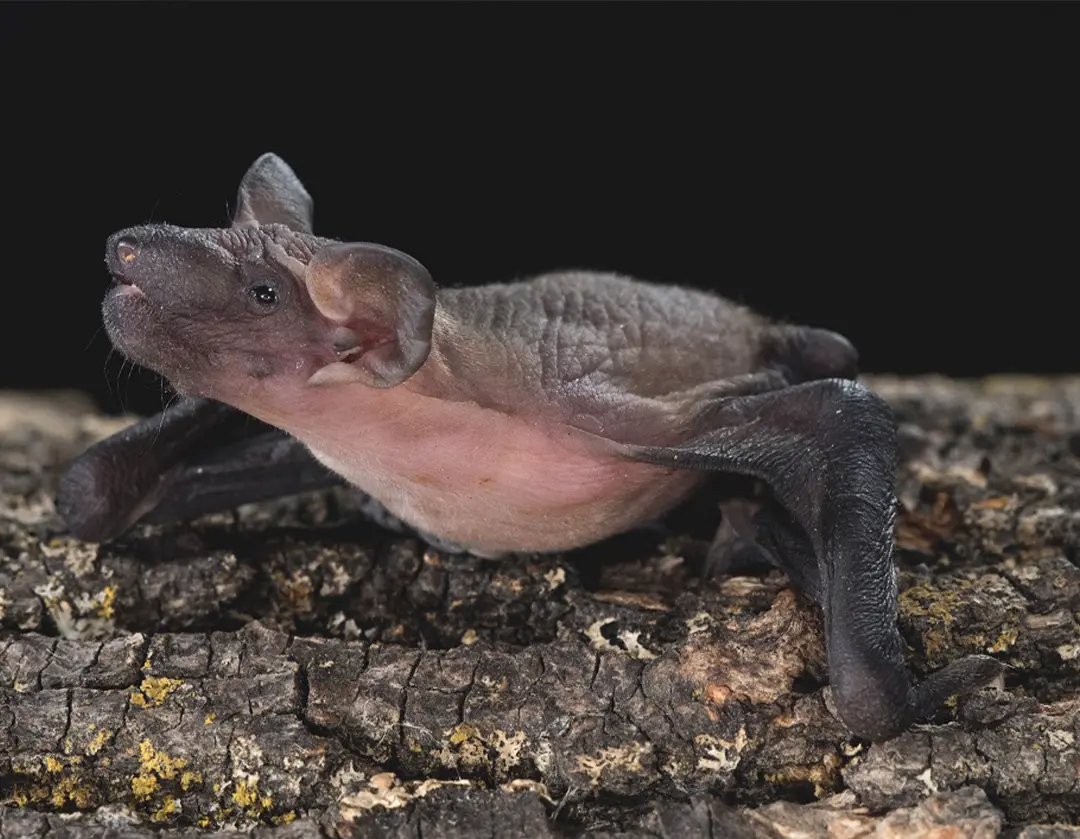
Slow reproduction
Although not a threat in itself, the slow reproduction rates of bats can make it difficult for populations to recover from threats. Most bats only have one offspring a year. Some have twins, while triplets or larger litters are rare. Bats have long lives, and in difficult years they may not reproduce at all. Females have such small litters because, while they carry their young internally like other mammals, they must still be light enough to fly!
How to Help Bats
Bats are a crucial part of the ecosystem. Being strictly insectivorous, Ontario’s bats help control the populations of insects including agricultural pests, reducing waste and increasing crop yield. These important yet misunderstood creatures need our help to ensure they thrive for generations to come. Here are some ways to protect your local bats.

Report a bat colony
If you have bats in your home or on your property, you can report the roost to the Batwatch community science project. Sign up and submit a report at www.batwatch.ca
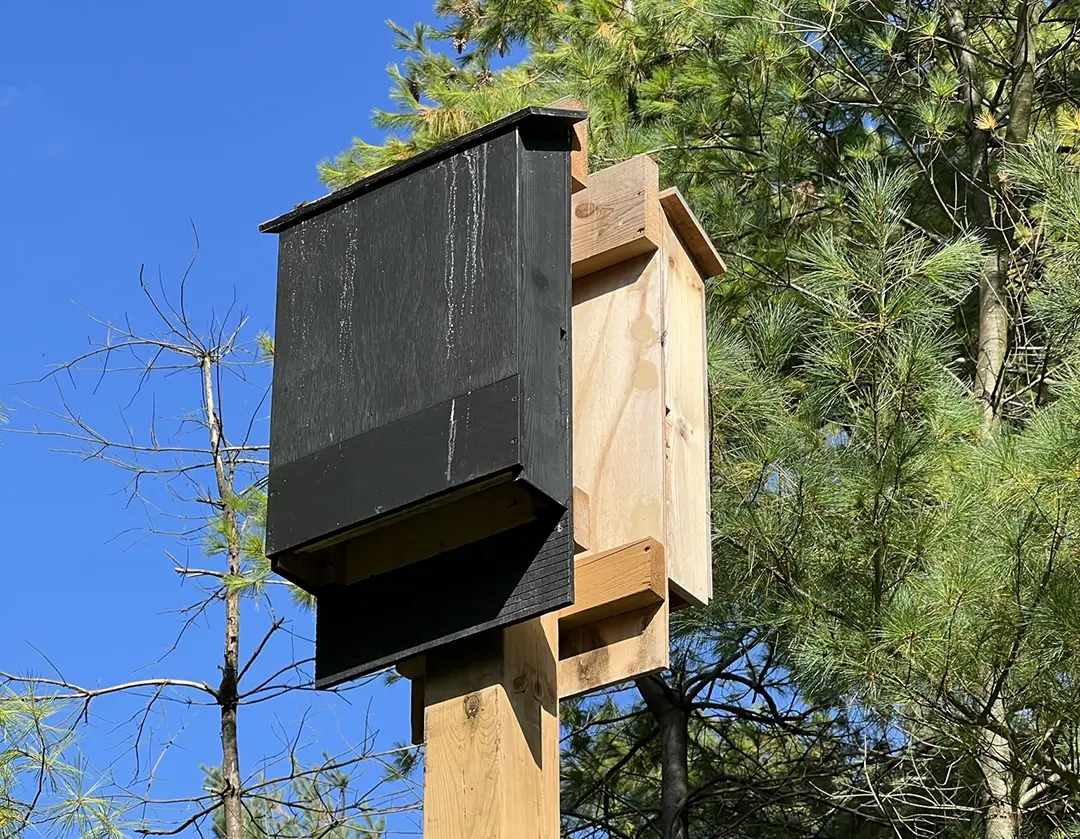
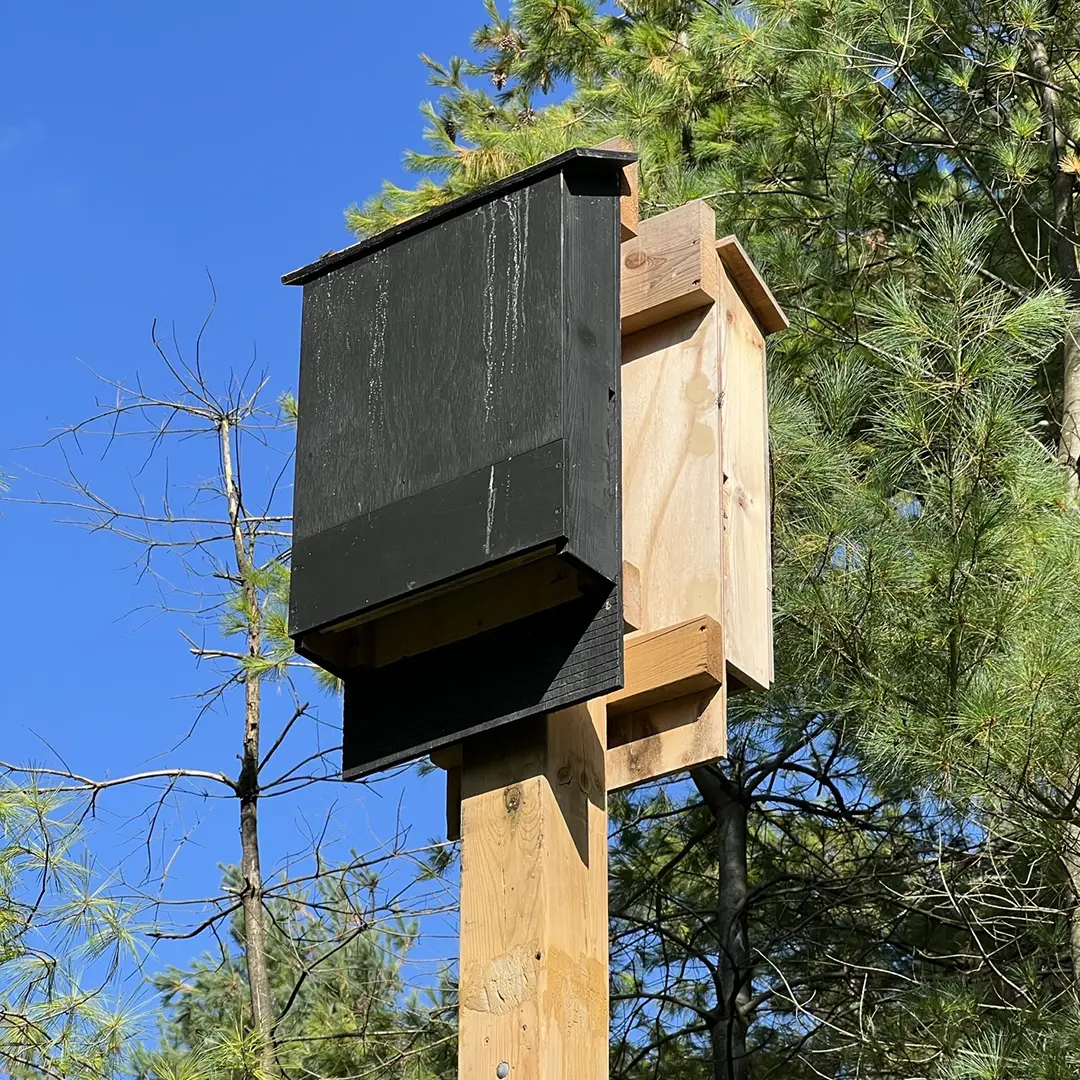
Install a bat box
A bat house or bat box can provide bats with a new home after their old roosting site has been destroyed. You can build a bat box yourself or buy a pre-made one, and install it in an area where you know bats live. Bat boxes must meet specific parameters to be useful for bats. The Canadian Wildlife Federation offers updated guidelines and construction plans to create an ideal bat house.
Keep your garden natural
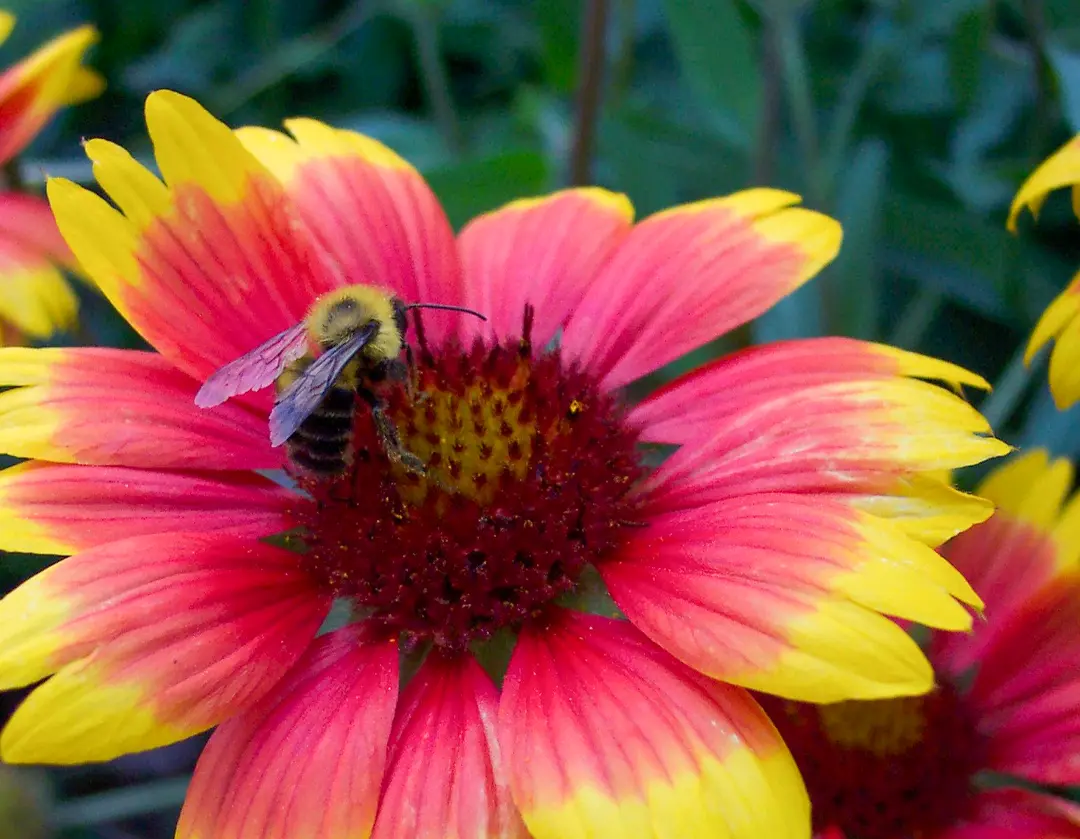
Planting native species and keeping invasive plants out of your yard are all great ways to support insect populations for bats to feed on. Reducing pesticide use also helps avoid accidentally poisoning bats.

Be a bat-friendly caver
If you explore caves, avoid entering caves with hibernating bat colonies to allow them to preserve energy stores for use throughout the winter. All clothing and equipment should be disinfected between exploring different caves to avoid the spread of the fungus that causes white nose syndrome.
Keep pet cats indoors
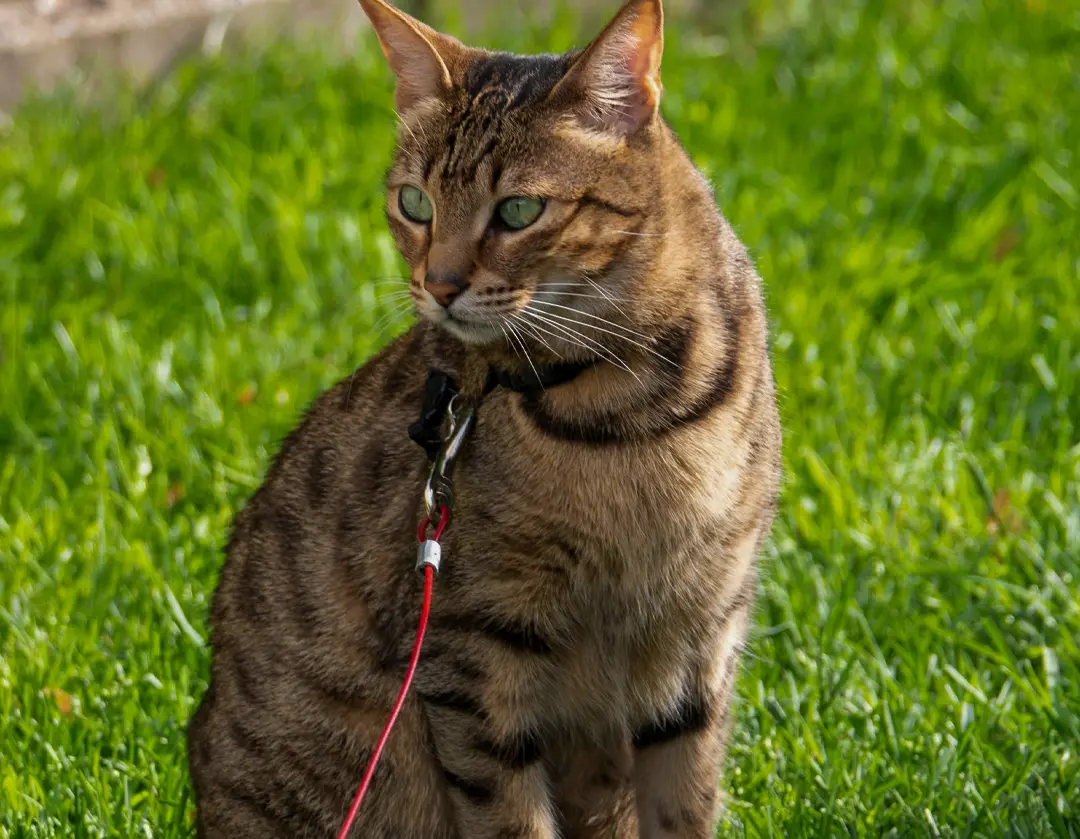
Domestic cats can be predators of bats. Keep cats indoors or use a harness/leash and consider providing a ‘catio’ to allow your pet to enjoy the outdoors safely.
Spread awareness and advocate for bats
Learn about the bats in your area and help others do so as well! You can also support conservation organizations and legislation protecting bats and their habitat.
Found a bat?
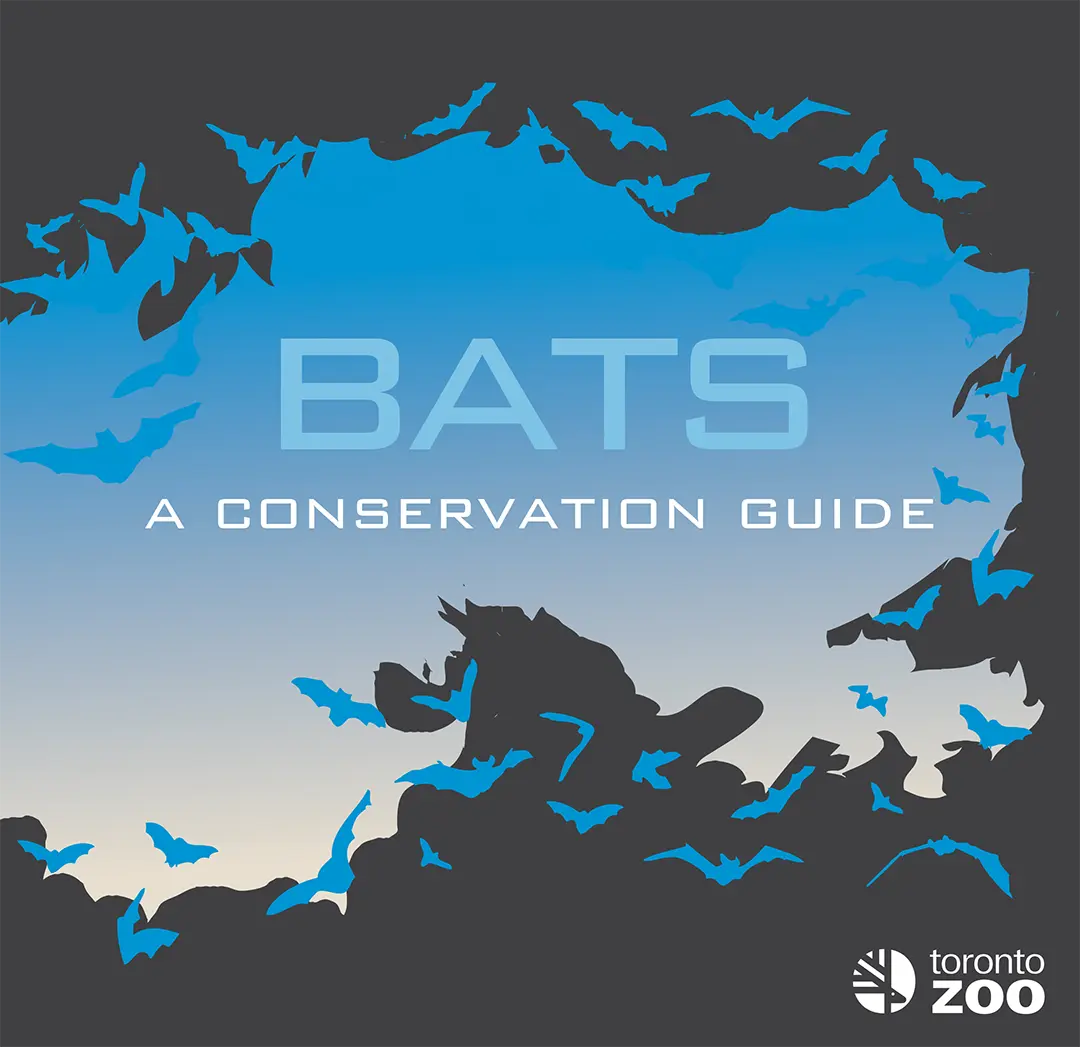
If you have bats in your house, learn what to do in our Bat Conservation Guide.
If you find a grounded bat, contact a local wildlife rescue organization for help. Avoid touching the bat – if anyone is bitten or scratched, seek immediate medical advice.
Learn More About Bats
Ontario Bat Exhibit
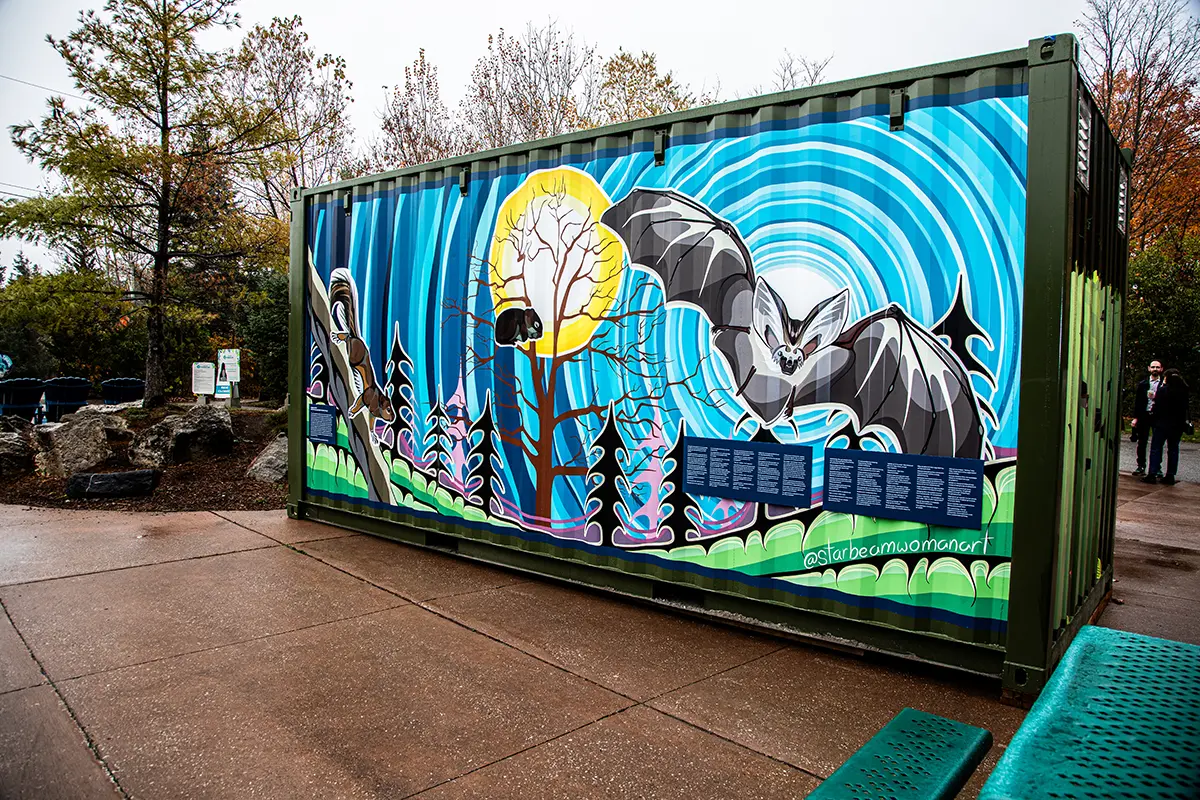
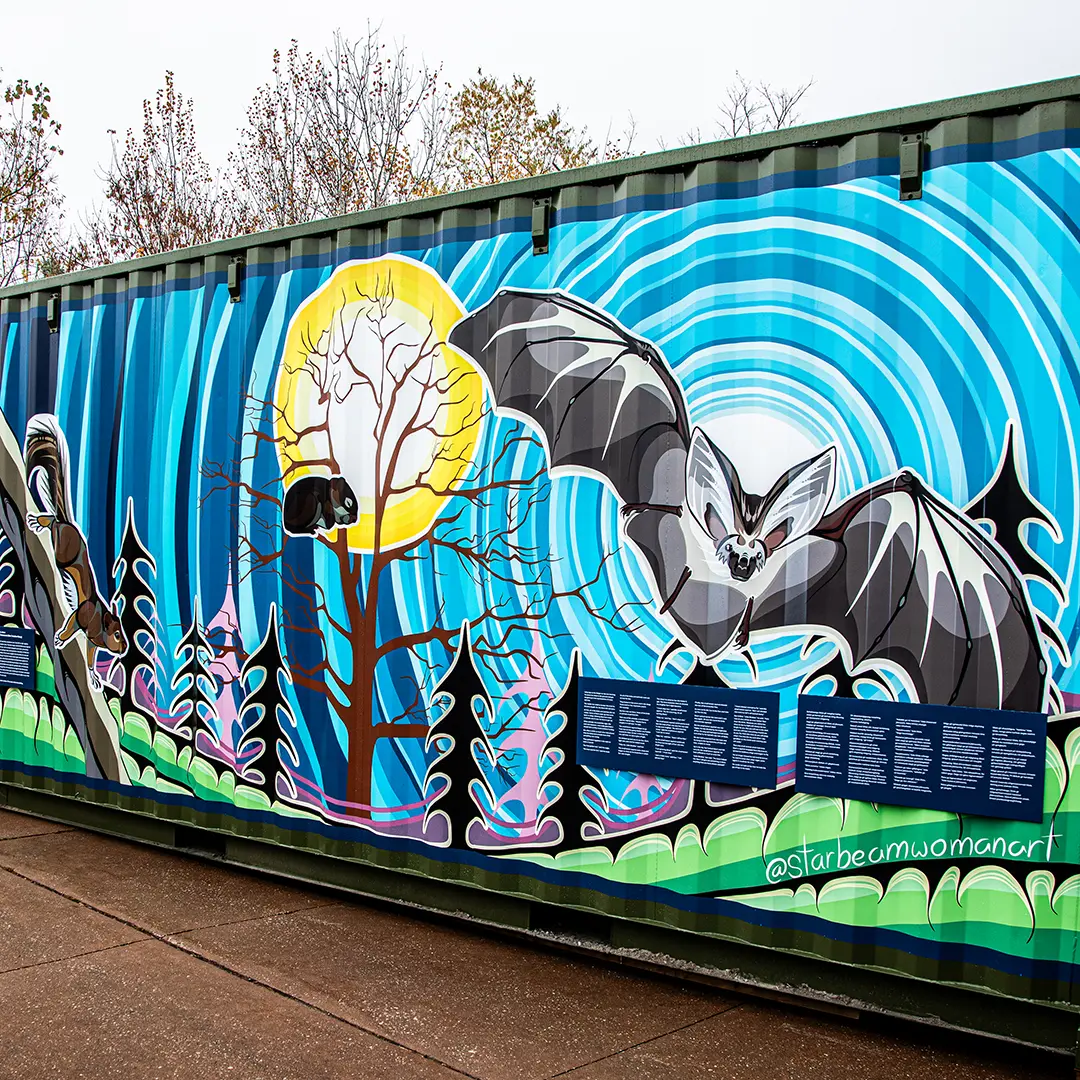
Created in partnership with the Nuclear Waste Management Organization (NWMO), the Ontario Bat Educational Exhibit at the Toronto Zoo allows guests to learn about native bats and how our team is protecting them through interactive elements and multimedia formats, including Indigenous artwork.
Toronto Zoo Bat Week – Bat Facts From A Bat Biologist Series
Toronto Zoo Bat Diaries: In the Field Series
Toronto Zoo Bat Diaries: Neighbourhood Bat Watch
More Bat Conservation Resources
Want to learn more about the bats of Ontario? Check out the Bat Conservation Guide!
This work is generously supported by the Nuclear Waste Management Organization.

The Toronto Zoo’s Native Bat Conservation Program receives sponsorship and support from the Nuclear Waste Management Organization, with both organizations working in partnership to further the knowledge and conservation of bats in Ontario.